"We Knew We Hadn't Done Anything Wrong Journalistically"
9 de Julho de 2026
In 2023, the Oversight Board published a crucial decision for media freedom. It surrounded Meta’s removal of three posts made by different Turkish media organizations on both Facebook and Instagram.
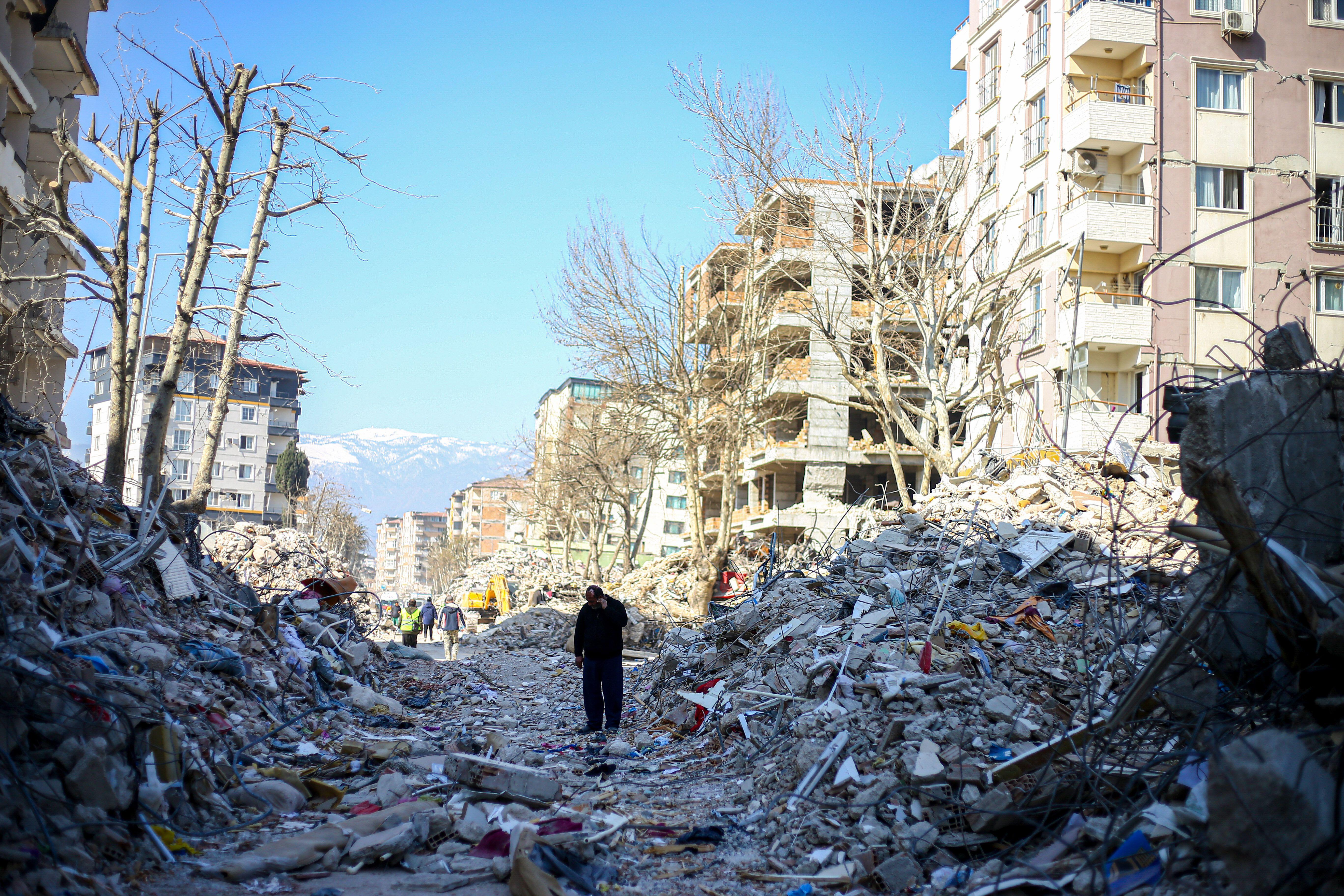
It was a critical time for news reporting in the country, following a devastating earthquake and ahead of that year’s elections. The posts contained a similar video of one politician confronting another in public, using the term “İngiliz uşağı,” which translates in English as “servant of the British/West.”
Meta told the three users they had violated the Hate Speech Community Standard, but not which specific rule they had broken. The posts’ removal also led to temporary limits on what platform features two of the organizations were able to use, for instance, live broadcasting.
As the Board’s decision said, not only was the term not hate speech, but Meta had prevented the outlets from freely reporting on issues of public interest. The Board ruled that Meta had to restore the posts.
Cahit Kutay Aykan is the Chief Operating Officer of Bolu Gündem, one of the three news organizations. It was prevented from creating new content for 24 hours and from making or joining Facebook Messenger rooms due to Meta’s takedown ruling. Bolu Gündem covers news from the western Black Sea region.
Aykan told us that the impact of Meta’s original moderation decision went far beyond the removal of a single post, and, consequently, the Board’s ruling was hugely important for media freedom and business.
+++
Oversight Board: How important has social media been for your organization?
Cahit Kutay Aykan: [At that time,] we had started getting the majority of our revenues from Facebook. We were among the first organizations to do that in Turkish. Back then, not everyone was generating revenue on it like now. Now, we bring a lot of traffic to our website via Facebook. We additionally get a lot of engagement via Reels and regular videos. That has boosted our reputation in Turkey.
Also, our target audience is 30 years and older, which can mostly be found on Facebook, and we reach out to our younger audience on Instagram. They prefer not to visit a news website. They prefer to read and watch on Instagram.
"We suffered damage due to reduced visibility. Since people did not see us or hear from us, that affected our organization's reputation
What was your reaction when Meta took down the video in this case and put feature limits on your account?
We posted a video of a citizen expressing his own opinion. We did not interfere with the content. We posted it, respecting his opinion. We didn't do this to create any particular perception. It was an actual situation that happened on the street.
Previously, we had an Account Manager on Facebook. We were able to discuss things like "Why did this video get removed? What's the problem with this video? Could that be a problem?" before uploading. But there were job cuts at Meta, and we lost all contact with the company. We were left at the mercy of the algorithm.
We are a well-established news outlet. We are accredited by the government. We already verify our news content before posting. Meta shouldn't be preventing us from working. Or they should ask us about any issue they have with content. But, instead, the algorithm just removes it.
What was the impact on your business?
It affected our traffic and the [decline in] engagement affects the entire page. It prevented monetization and reduced our revenues. And we were not told why this happened, why the video was removed.
During this period, our organization was dependent on our Facebook strategy. We suffered damage due to reduced visibility. Since people did not see us or hear from us, that affected our organization's reputation.
"We already verify our news content before posting. Meta shouldn't be preventing us from working"
Why did you appeal to the Board?
We knew we hadn't done anything wrong journalistically. We had other incidents where, just like that, our videos were removed which reduced the traffic to our page. That meant we learned about Facebook’s community standards. So, regarding the removed video in this case, we were sure that we hadn’t made a mistake, since we had good knowledge about Meta’s policies.
After the removal, it said on Facebook that the video could not be recovered, but that we could make a submission to the Oversight Board. We wanted to try that as the Board was the only place we could reach out to. We weren't hopeful when we appealed. However, we argued in the appeal that addressing the takedown would be the right thing to do in terms of journalism. We explained that we didn't understand why this video was removed and that this should be discussed by the platform.
Why was the Board’s ruling important?
[Since the Board’s ruling], we know that, if we post something like this, our video will not be removed. I have seen other cases by the Board, and I think this role it plays is an important one.
Members of academia have reached out to me about our case. That the Board is bringing about a connection between academia and media is a good thing, to ensure there is research about the links between media and social media. Opening these cases for discussion and documenting them is very valuable in terms of journalism, publishing and academia.
"The Board was the only place we could reach out to"
How do you feel now about entrusting your work on social media platforms?
We would want someone we can ask to check whether content complies with the community rules - Facebook needs to adopt this.
Even after appealing to the Board and receiving its response, our page still did not recover for a year or a year and a half. The video was added again but the engagement never recovered. We have suffered a lot and didn’t even receive an apology. That's what we went through.
Going forward, how would you like to see the situation change?
In Turkey, neither Facebook's nor the other platforms' policies are definitively clear. The best response would be for us to be treated transparently, and receive explanations for decisions.
Community standards are necessary. At the same time, Facebook needs to separate content posted by legitimate, accredited media organizations from any ordinary person undertaking journalism. Our video, when Meta removed it, was still available to view on pages of big media firms.
** This conversation was lightly edited for brevity and clarity.
Special thanks to Rhodri Davies, staff member of the Oversight Board, for conducting the interview for this impact story.


